
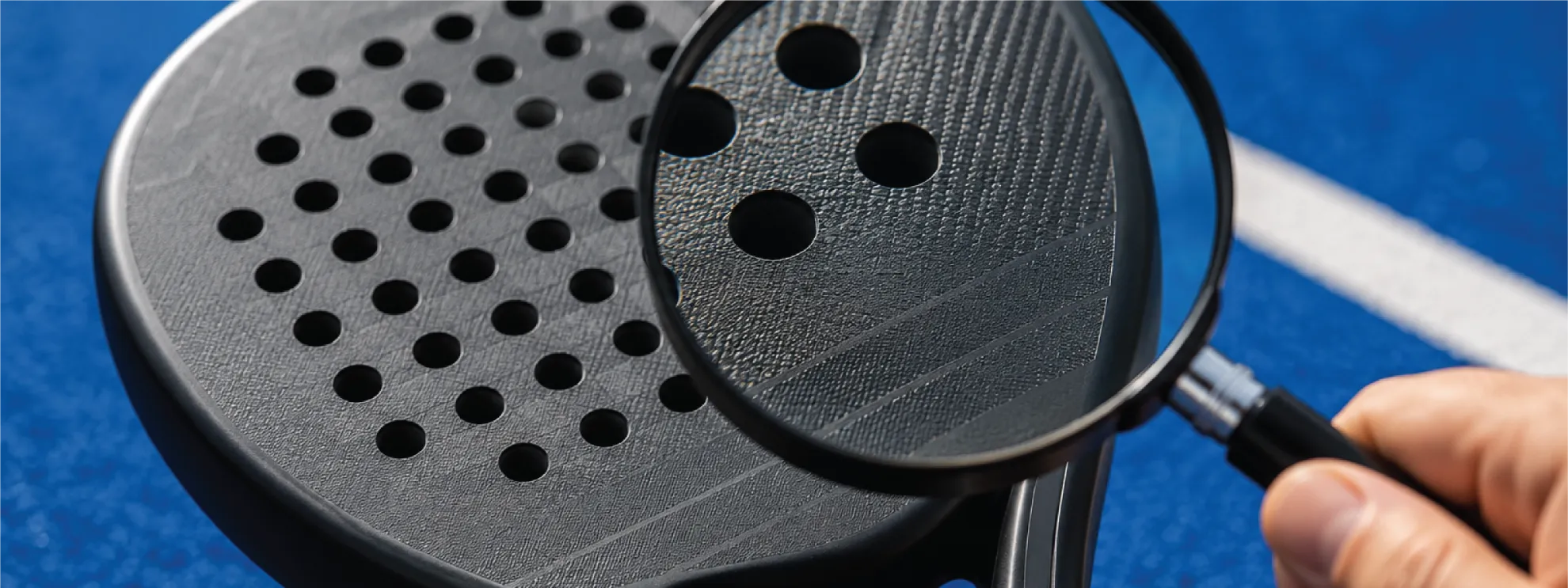
With padel’s explosive growth has come a surge in online deals and imported equipment – but not every bargain is what it seems. Whether you’re investing in your first racket or upgrading to the latest model, knowing the difference between genuine, grey import and fake products could save you money, frustration and a warranty headache. Here’s what every South African padel player should know before clicking “buy now.”
Know the Difference
Genuine Products
A genuine racket is supplied through an official South African distributor and comes with the benefits that matter most.
You can expect:
An official South African distributor warranty
A registered serial number recognised locally
A valid South African VAT invoice
Full local after-sales support
While genuine products may cost slightly more, you’re paying for peace of mind should anything go wrong.
“A lower price isn’t always a better deal – especially if there’s no local warranty behind it.”
Grey Imports
Grey imports aren’t necessarily fake – they may be genuine products imported from another country rather than through the official South African distributor. They’re often 20–40% cheaper, but that saving comes with potential drawbacks.
How to spot a grey import:
No South African distributor hologram or sticker on the racket or cover
European, Spanish, UAE or other international stickers instead
Packaging or manuals only in Spanish or another foreign language
European barcode with no South African contact details
No South African VAT invoice
The serial number cannot be registered with the official local distributor
The biggest risk? If your racket cracks or develops a manufacturing fault, you may have no warranty support in South Africa.
Grey imports can be genuine rackets – but genuine doesn’t always mean locally supported.
Fake or Counterfeit Products
Counterfeit rackets are a completely different story. These products are not manufactured or supplied by the original brand and are designed to imitate genuine models.
While they often look convincing online, performance, durability and safety can be significantly compromised.
Here are seven red flags to watch out for:
1. Poor Paint & Logo Quality
Blurry logos
Incorrect fonts
Colours slightly different from the genuine model
Raised or uneven decals
2. Incorrect Weight
Most genuine rackets are produced within a narrow weight range.
Counterfeits often vary dramatically, from 340g to 390g, affecting both performance and comfort.
3. Incorrect Hole Pattern
Look for:
• Uneven rows
• Extra holes
• Holes that are too large or too small
4. Cheap Butt Cap & Grip
Signs include:
Loose plastic butt cap
Generic replacement grip
Poor stitching or finishing
5. Hollow Sound & Feel
A fake racket often feels lifeless, producing a hollow sound with little power or responsiveness.
6. Poor Foam Construction
Visible air bubbles, glue lines or inconsistent foam are strong indicators of a counterfeit product.
7. The Price Is Too Good
If a racket is 50–60% cheaper than the recommended retail price, alarm bells should ring. If a deal looks too good to be true, it usually is.
Before making your next purchase, ask the seller three simple questions:
Is this supplied by the official South African distributor?
Does it include a South African warranty?
Will I receive a VAT invoice?
If the answer to any of these is no, make sure you understand exactly what you’re buying.
A quality padel racket is an investment in your game. Spending a little more upfront for a genuine product can save you far more in the long run.